

Summer is the season of sunshine, open windows, and a fresh start. With kids home from school, more guests stopping by, and longer days to tackle projects, it’s the perfect time to give your home a thorough summer deep clean. A refreshed space not only feels better—it functions better, too.

Wishing you a day filled with celebration, gratitude, and time well spent with friends, family, and neighbors.

The 4th of July is more than fireworks and backyard barbecues—it can also be a surprisingly great time to prepare your home for sale. With longer days, summer curb appeal, and motivated buyers browsing listings over the holiday weekend, a little strategic prep can go a long way. Here’s how to use the Independence Day holiday to get your home market-ready.
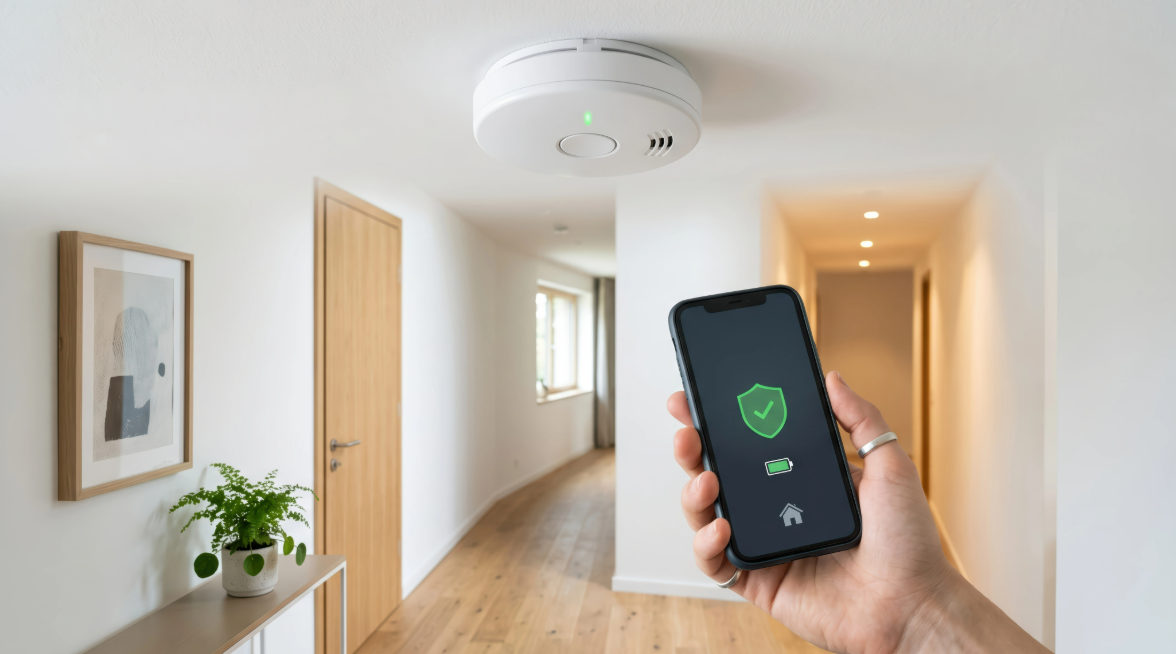
Home safety technology has come a long way, and smart smoke detectors are one of the most valuable upgrades homeowners can make. While traditional smoke alarms provide an audible warning when smoke is detected, smart smoke detectors offer enhanced features that improve safety, convenience, and peace of mind. Real-time mobile alerts One of the biggest advantages of smart smoke detectors is real-time mobile alerts. If smoke or fire is detected while you're away from home, you'll receive an instant notification on your smartphone, allowing you to take action quickly and contact emergency services if necessary. Interconnected technology Many smart smoke detectors also feature interconnected technology. When one alarm detects smoke, all connected alarms throughout the home sound simultaneously, ensuring everyone is alerted no matter where they are. This can be especially beneficial in larger homes where a single alarm may not be heard from every room. Self-monitoring capabilities Smart detectors can perform automatic system checks and notify homeowners when batteries are low, sensors need maintenance, or the device requires replacement. This helps ensure your fire safety system remains reliable at all times. Safety network In addition to enhanced safety, smart smoke detectors offer convenience through integration with smart home systems. They can work alongside other connected devices, such as lighting systems, security systems, and home automation platforms, creating a more comprehensive safety network. Overview Investing in smart smoke detectors is a proactive step toward protecting your home and family. With advanced monitoring, instant notifications, and improved reliability, these devices provide a higher level of protection than traditional alarms and help homeowners stay informed wherever they are.

Selling your home is an exciting journey, and proper preparation can make a big difference in attracting buyers and maximizing your sale price. A well-presented home not only creates a strong first impression but also helps potential buyers envision themselves living in the space.
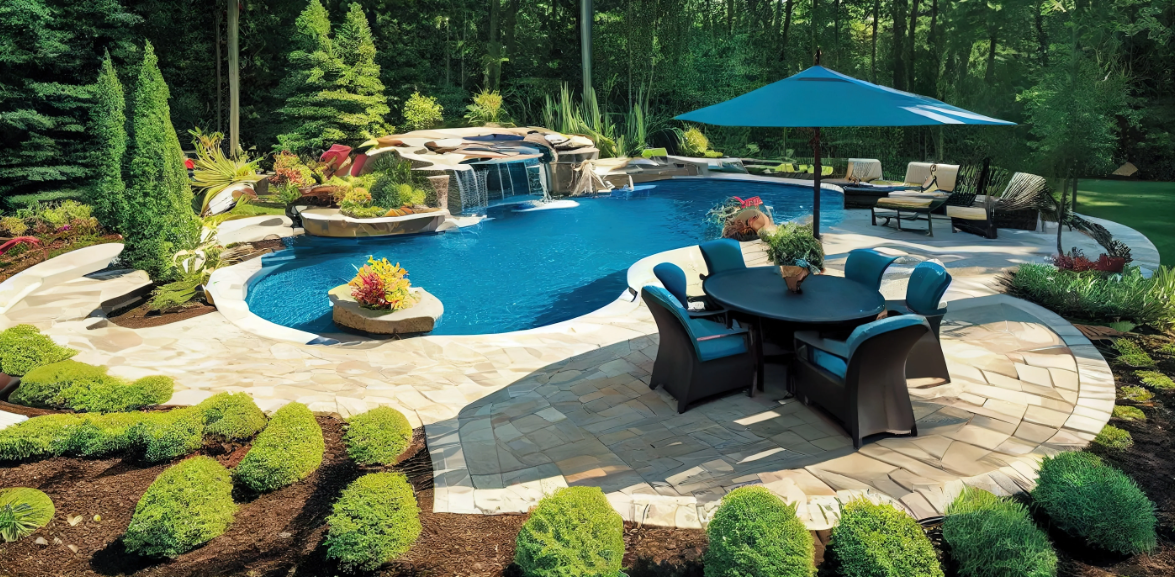
Adding a swimming pool to your property is often seen as a luxury, but it can also be a valuable investment in your lifestyle, health, and home. Whether you're looking to create a personal oasis, increase your property's appeal, or provide a fun gathering space for family and friends, a pool offers numerous advantages
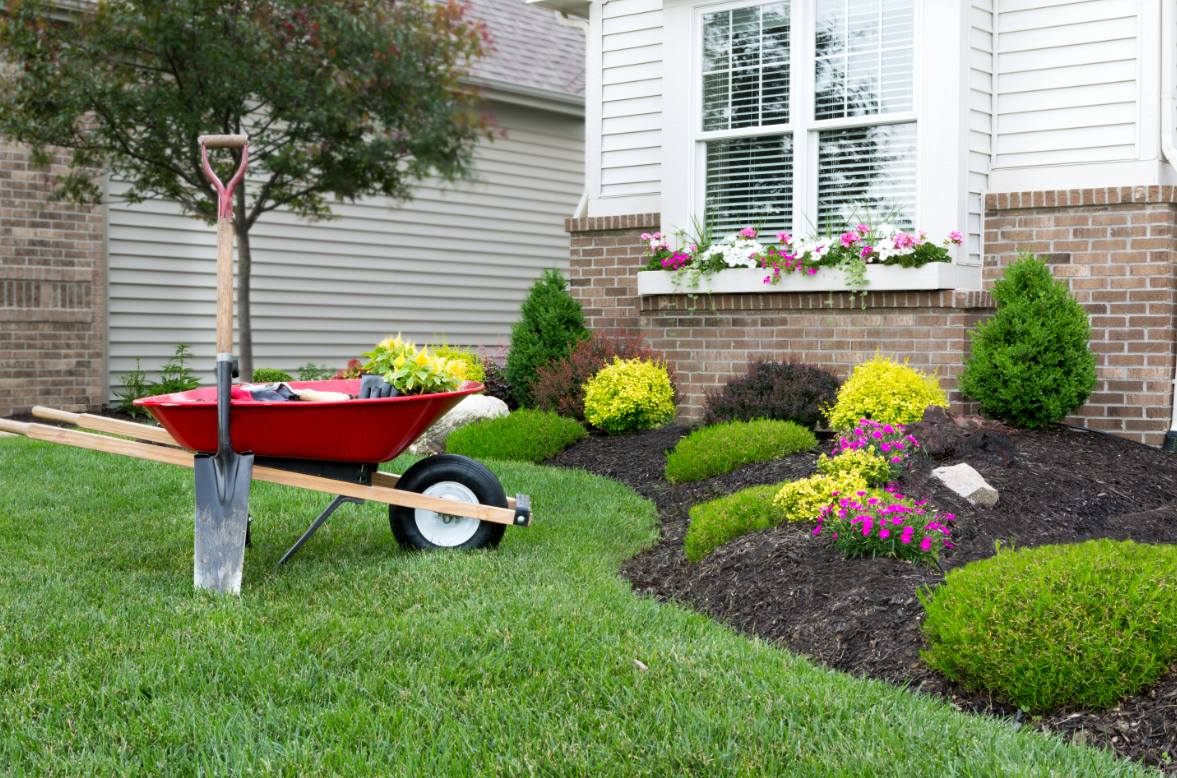
A well-designed landscape can transform your outdoor space into a relaxing retreat. However, many homeowners hesitate to invest in landscaping because they worry about the ongoing maintenance. The good news is that a beautiful yard doesn't have to demand hours of weekly upkeep. With thoughtful planning and smart plant choices, you can create a low-maintenance landscape that saves time, conserves resources, and looks great year-round. What Is Low-Maintenance Landscaping? Low-maintenance landscaping focuses on reducing the amount of watering, mowing, pruning, weeding, and fertilizing required to keep your outdoor space attractive. The goal isn't to eliminate maintenance entirely but to design a landscape that works with nature rather than against it. By selecting the right plants, materials, and layout, homeowners can enjoy a thriving landscape with significantly less effort. Key Elements of Low-Maintenance Landscaping Choose Native Plants Native plants are adapted to local climate and soil conditions, making them easier to grow and maintain. They typically require less water, fertilizer, and pest control than non-native species. Popular examples include: Coneflowers Black-eyed Susans Switchgrass Native shrubs and groundcovers Use Mulch Generously Mulch helps retain soil moisture, suppress weeds, regulate soil temperature, and improve overall plant health. Organic mulches such as bark, wood chips, or shredded leaves also enrich the soil as they decompose. Reduce Lawn Areas Traditional lawns often require frequent mowing, watering, and fertilizing. Consider replacing portions of turf with: Groundcovers Decorative gravel Mulched planting beds Native plant gardens Install Efficient Irrigation Drip irrigation systems deliver water directly to plant roots, reducing waste and minimizing evaporation. Smart irrigation controllers can further improve water efficiency. Select Perennials Over Annuals Perennials return year after year, reducing the need for seasonal replanting. Once established, many perennials require minimal attention while providing color and texture throughout the growing season. Design Tips for Easy Maintenance Group Plants by Water Needs - Placing plants with similar water requirements together makes irrigation more efficient and simplifies landscape care. Create Defined Planting Beds - Clearly edged planting beds help prevent grass from spreading into garden areas and reduce trimming time. Choose Slow-Growing Plants - Fast-growing plants often require frequent pruning. Slow-growing shrubs and ornamental grasses generally need less maintenance while maintaining their shape. Incorporate Hardscaping - Patios, walkways, retaining walls, and decorative stone features add visual interest without requiring ongoing care. Hardscaping can also reduce the amount of plant material that needs maintenance. Conclusion Low-maintenance landscaping is about making smart choices from the start. By incorporating native plants, reducing lawn space, using mulch, and designing with efficiency in mind, you can create an attractive outdoor environment that requires less work and fewer resources. Whether you're starting from scratch or updating an existing yard, a low-maintenance landscape offers the perfect balance between beauty, functionality, and ease of care. With a thoughtful design, you can spend less time maintaining your yard and more time enjoying it.
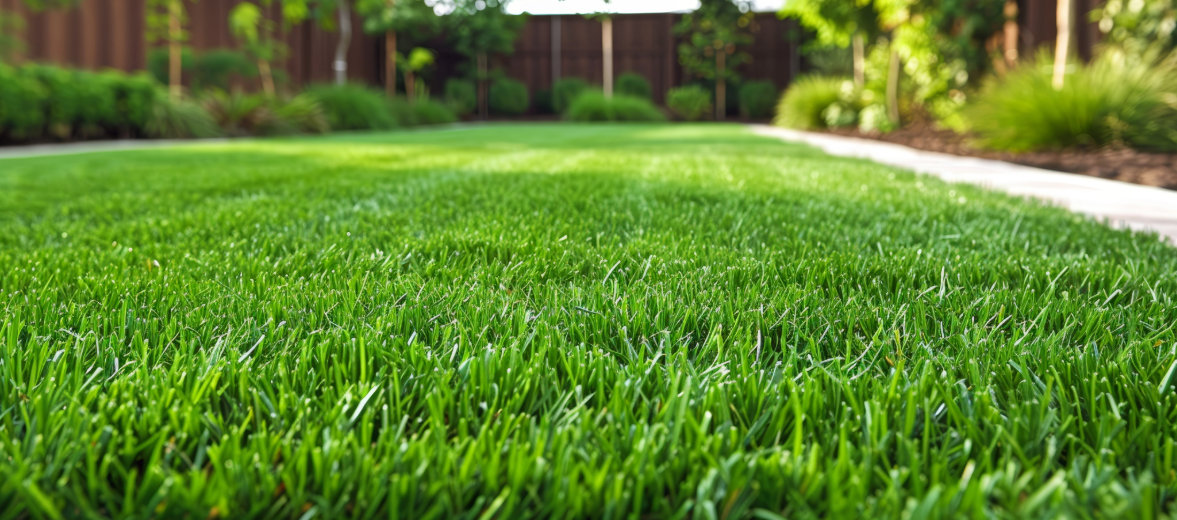
A healthy lawn does more than boost curb appeal—it creates a welcoming outdoor space, supports local ecosystems, and adds value to your home. But achieving and maintaining that lush green look takes more than occasional mowing. It requires a mix of proper care, timing, and understanding what your lawn needs throughout

When it comes to maintaining a clean and healthy home, air duct cleaning is often overlooked—but it plays a bigger role than many homeowners realize. Your HVAC system circulates air throughout your home every day, and over time, dust, allergens, and debris can build up inside your ductwork. Keeping those ducts clean ca